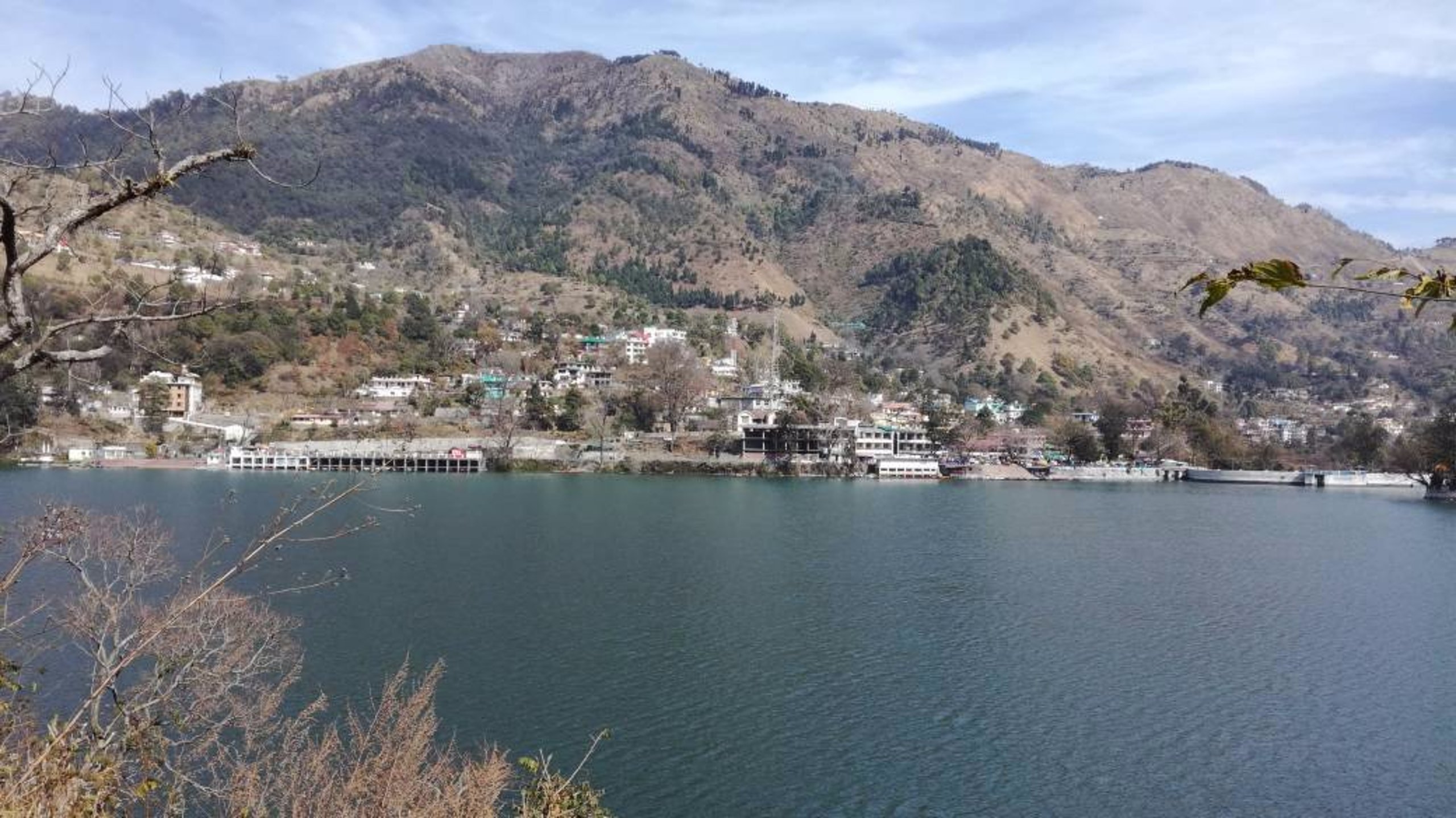
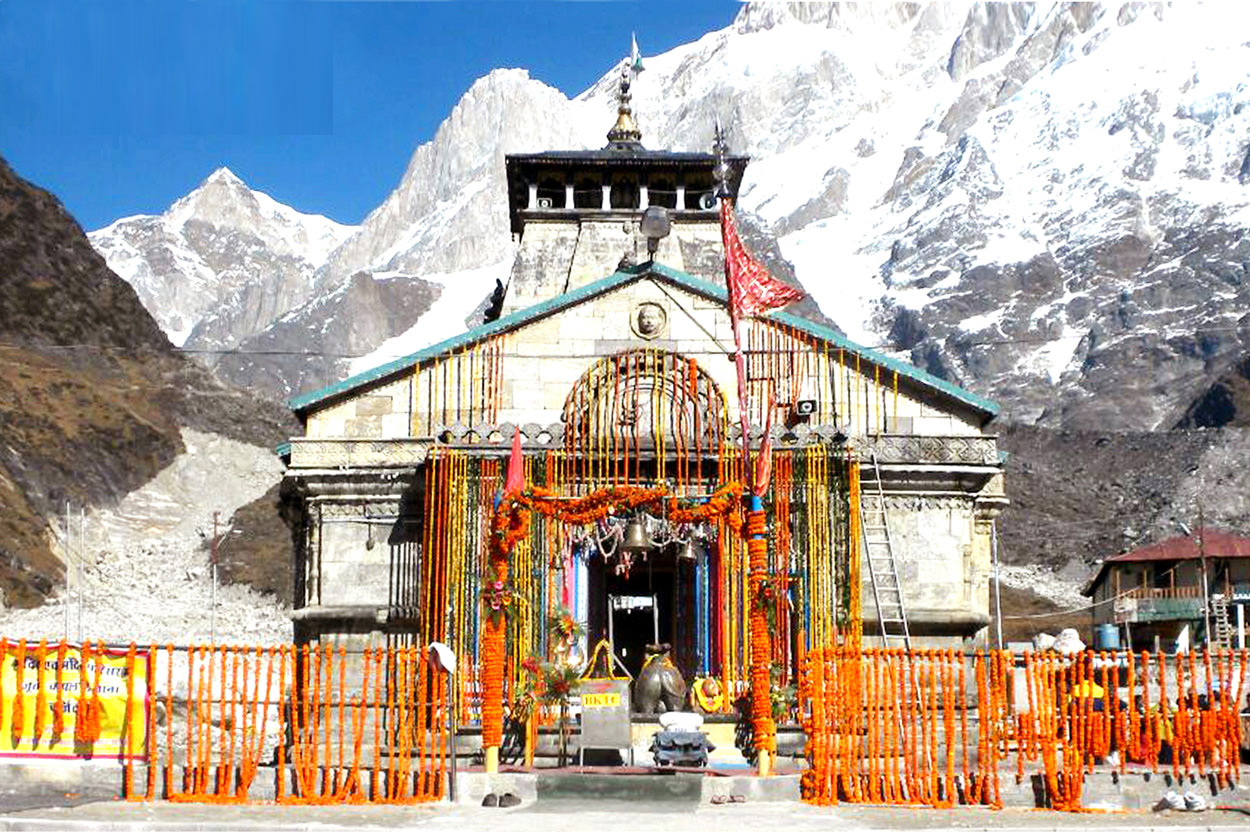
Almora
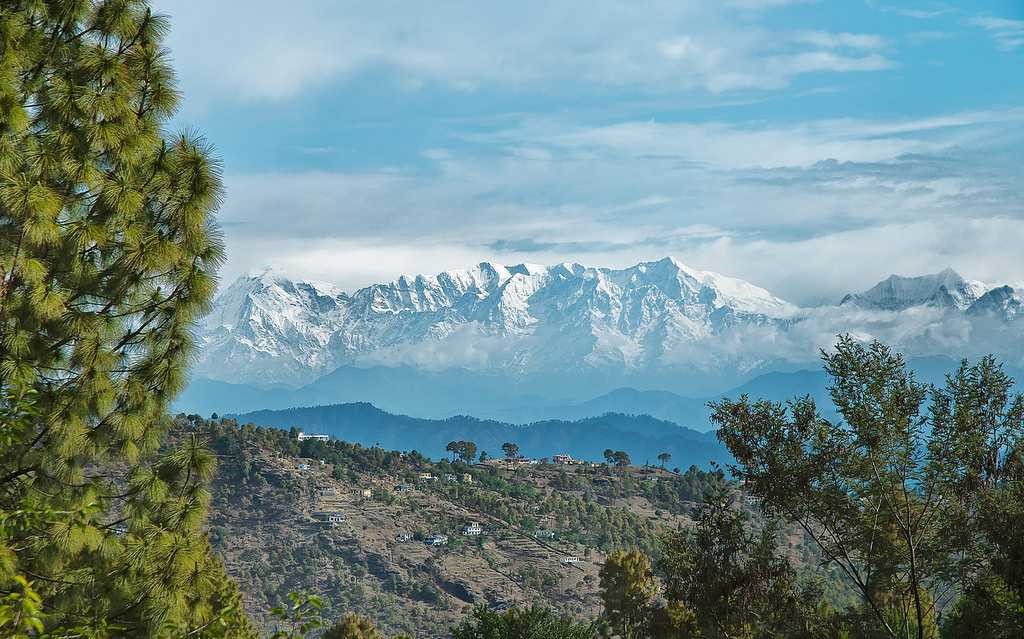



Almora is a city board and a cantonment town in the province of Uttarakhand, India. It is the managerial central command of the Almora district. Almora is situated on an edge at the southern edge of the Kumaon Hills of the Himalaya range, a good ways off of 363 km (by means of NH9) from the public capital New Delhi and 415 km through Saharanpur Rd, 351 km by means of NH109 and 388.6 km by means of Ambala-Dehradun-Haridwar Rd from the state capital Dehradun. As per the temporary consequences of the 2011 public enumeration of India, Almora has a populace of 35,513. Settled inside higher pinnacles of the Himalayas, Almora partakes in an all-year gentle mild environment. The town is visited by a great many vacationers yearly from everywhere in the world. There are 11 squares (for example VikashKhand) in the Almora region.
Almora was established in 1568 by King Kalyan Chand, however, there are records of human settlements in the slopes and encompassing area in the Hindu epic Mahabharata(8th and ninth century BCE). Almora was the seat of Chand lords that controlled the Kumaon Kingdom. It is viewed as the social heart of the Kumaon area of Uttarakhand.
Almora got its name from Bhilmora, a sort of sorrel,(although some have attempted to get it from Berberis "Kimora a short plant normally observed there which was utilized for washing the utensils of the sun sanctuary at Katarmal. Individuals bringing the Bhilmora/Kimora were called Bhilmori/Kilmori and later "Almori and the spot came to be known as "Almora.
When lord Bhishm Chand established the framework of the town, he had at first named it Alamnagar. Before that, Almora was known as 'Rajapur' during the beginning stage of Chand rule. The name 'Rajpur' is additionally referenced over various antiquated copper plates. There is as yet a spot called Rajpur in Almora.
Almora was established in 1568 by Kalyan Chand during the standard of the Chand tradition Prior to that the locale was heavily influenced by Katyuri King Bhaichaldeo who gave a piece of Almora to Sri Chand Tiwari.
Almora Bazaar:
The following age's quiet of them may likely be the ones flagging numerous frivolous states, equaling each-other for matchless quality and at last sanctioning the introduction of the prominent and suffering administration of Chands. Prior to this, the Katyuris are recorded as the predominant groups in copper and stone engravings. The Chand tradition from their origin in 953 A.D. to their ouster in the late eighteenth century presents an adventure of struggle, with shocking series of battles with leaders of Garhwal coming full circle in the obliteration of this prosperous land and foundation of ignominious Gurkha rule. This line was exceptional in that it made Almora the seat of most grounded slope power in 1563 A.D.From that time onwards, the constraints of the realm of Kumaon stretched out over the whole parcels of areas of Almora and Nainital. Towards the finish of the seventeenth century, Chand Rajas again assaulted the Garhwal realm, and in 1688, ruler Udyot Chand raised a few sanctuaries at Almora, including Tripur Sundari, Udyot Chandeshwer, and Parbateshwer, to check his triumph over Garhwal and Doti. The Parbateshwar sanctuary was renamed two times, to turn into the present Nanda Devi sanctuary.