Bageshwar
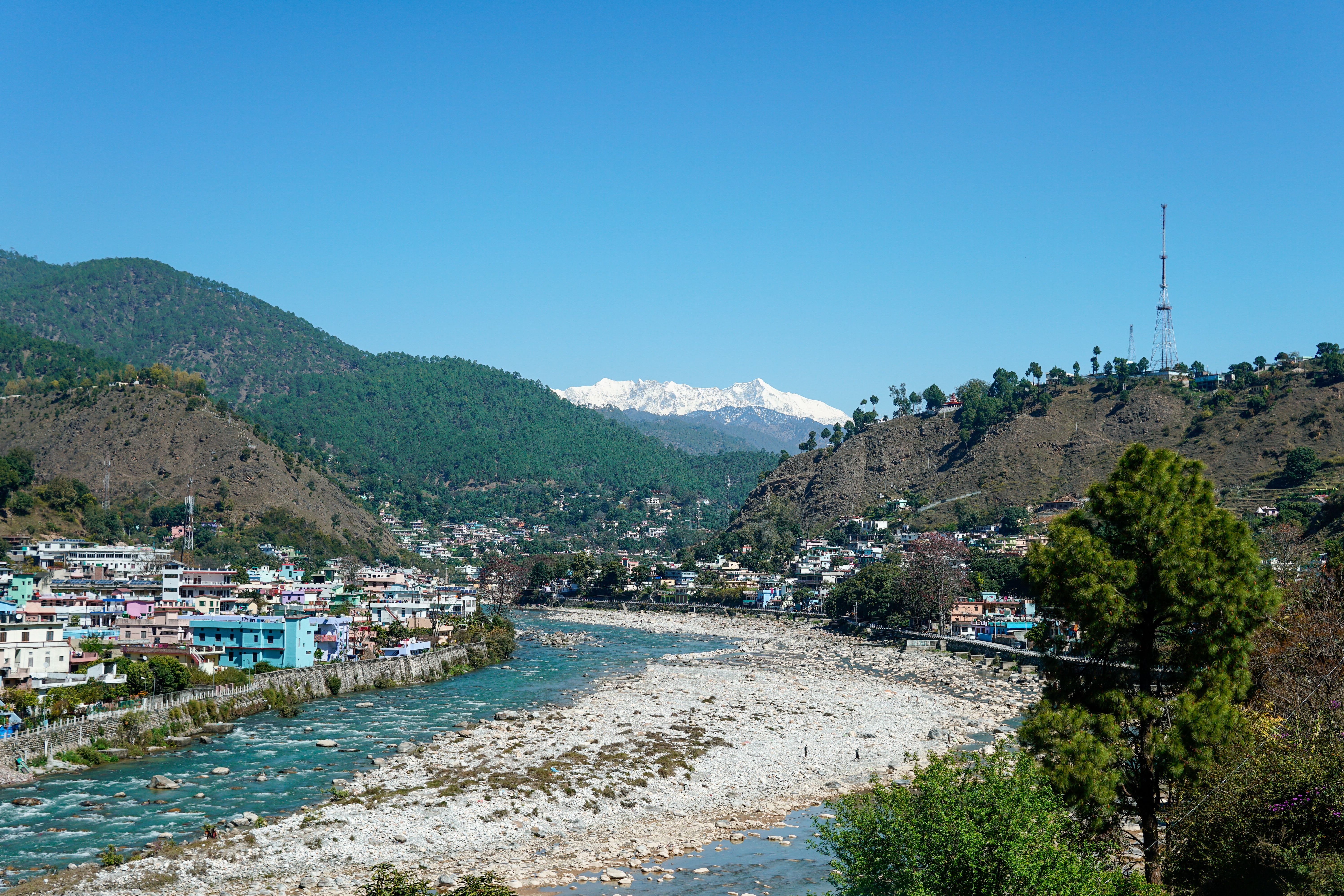


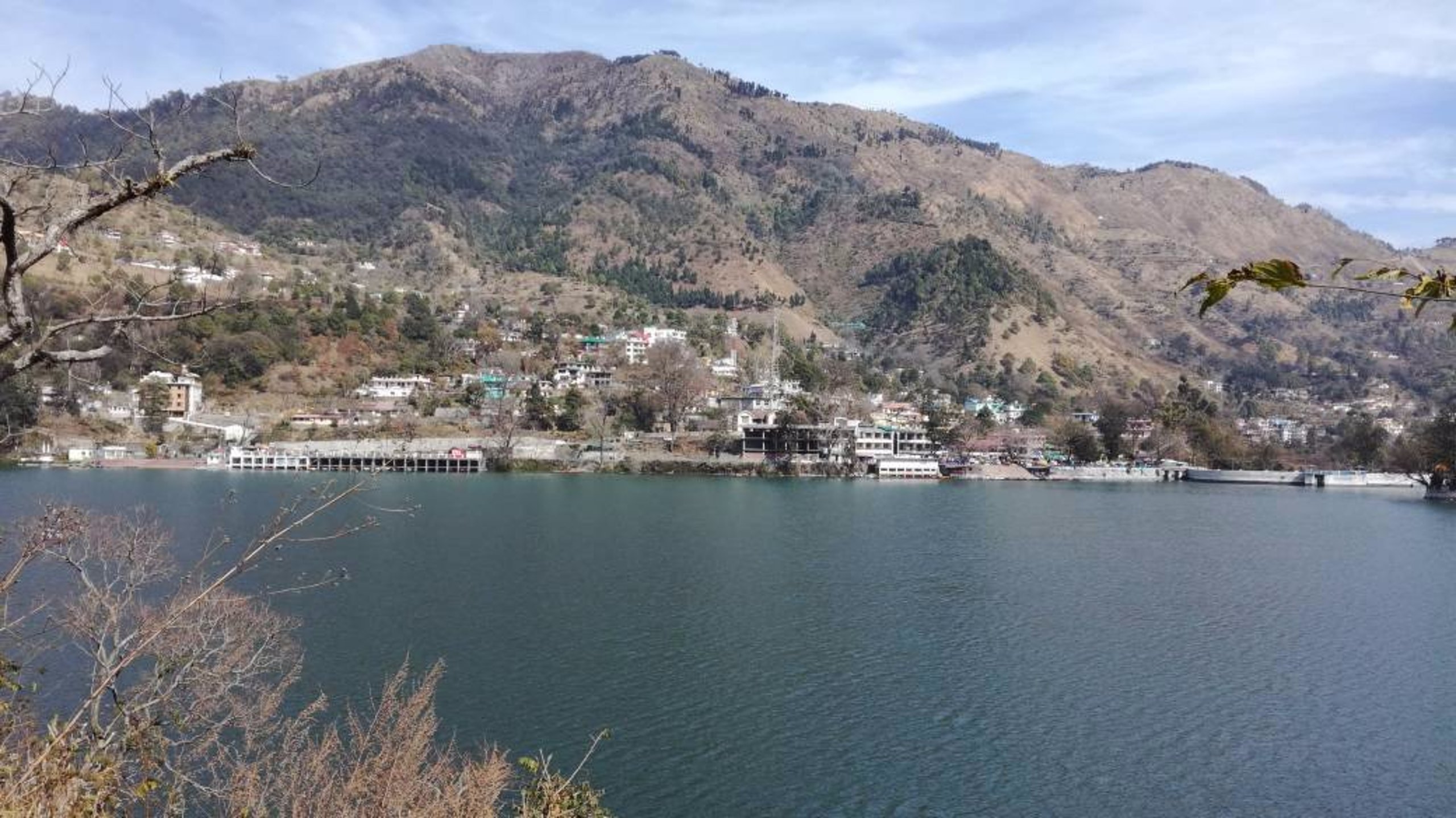
Bageshwar is a town and a municipal board in Bageshwar district in the state of Uttarakhand, India. It is located at a distance of 470 km from the National Capital New Delhi and 332 km from the State Capital Dehradun. Bageshwar is known for its scenic environment, glaciers, rivers, and temples. It is also the administrative headquarters of the Bageshwar district.
Situated on the confluence of Saryu and Gomati rivers, Bageshwar is surrounded by the mountains of Bhileshwar and Nileshwar to its east and west and by the Suraj Kund in the north and Agni Kund in the south. Bageshwar was a major trade mart between Tibet and Kumaun and was frequented by the Bhotia traders, who bartered Tibetan wares, wool, salt, and Borax in exchange for Carpets and other local produce in Bageshwar. The trade routes were, however, closed after the Indo-China War of 1962.
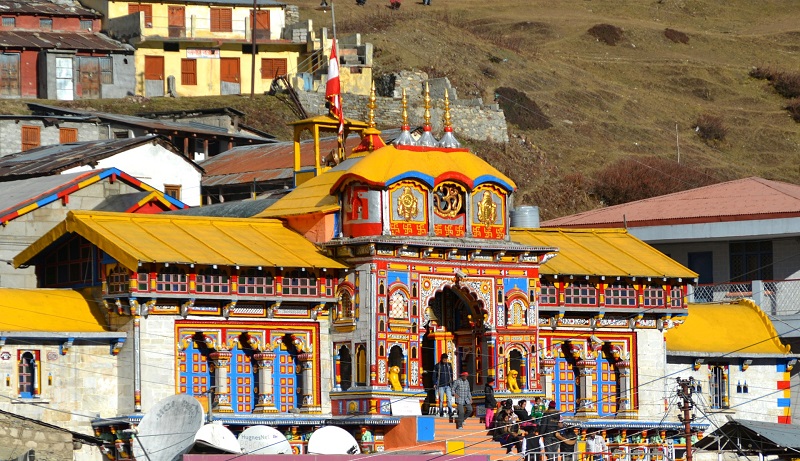
The city is of great religious, historic, and political significance. Bageshwar finds mention in various Puranas, where, it has been associated with Lord Shiva. The Uttrayani fair held annually in Bageshwar used to be visited by approx 15,000 people in the early twentieth century and was the largest fair of the Kumaon division. The fair became the epicenter of the Coolie Begar Movement in January 1921. The city of Bageshwar gets its name from the Bagnath Temple. Hindi and Sanskrit are the official Languages however Kumaoni is spoken by a large number of people.
The city of Bageshwar is bedecked on the confluence of the Saryu and Gomati rivers and is situated at an elevation of 1004 meters with numerous famous temples dedicated to Gods and Goddesses in the proximity of Bageshwar.
Bageshwar is a place of extreme religious and historic significance. The towering mountains of Bhileshwar and Nileshwar are dotted on the east and west side of Bageshwar, while the north and south are marked by the Suraj Kund and Agni Kund respectively.